
David Cage Sucks? Breaking Down the Praise, Hate, and Gaming Debate

When I think about the most polarizing figures in video game storytelling, David Cage is always near the top of the list. As someone who has followed his career closely, played every major release, and studied his design choices, I’ve seen firsthand why the phrase “David Cage sucks” appears so often in gaming conversations. On one side, there are players who admire his ambition to blend cinema and interactivity into something emotionally powerful.
On the other hand, there are those who feel his games overpromise and underdeliver, fueling both praise and criticism in equal measure. In this post, I’m diving deep into his career, from his most famous titles to the controversies, the praise, and even his financial success. Whether you’re a fan, a critic, or simply curious about why his name sparks such strong opinions, I’ll break it down in a way that’s honest, informed, and shaped by years of watching his work evolve.
Who Is David Cage?
David Cage is a French video game writer, director, and the founder of the studio Quantic Dream. His real name is David De Gruttola, but he is widely recognized by his professional name, David Cage. He is best known for creating cinematic, story-driven video games that focus on player choice and emotional storytelling.

Some of his most notable titles include Heavy Rain, Beyond: Two Souls, and Detroit: Become Human. These games are often described as interactive dramas, blending film-like presentations with branching narratives where the player’s decisions can influence the direction of the story. His work frequently explores themes such as morality, human relationships, and the consequences of actions.
David Cage’s approach to game design has made him a well-known figure in the gaming industry. While his style has been praised for its ambition and emotional depth, it has also attracted criticism for issues like narrative inconsistencies and limited player agency. This combination of recognition and controversy is a key reason his name often sparks strong opinions in gaming discussions.
Overview of David Cage’s Most Famous And New Games
David Cage has created several games that have become well-known for their cinematic style and emotional storytelling. These titles often serve as examples in discussions where people either praise his creativity or say “David Cage sucks” because of perceived flaws.
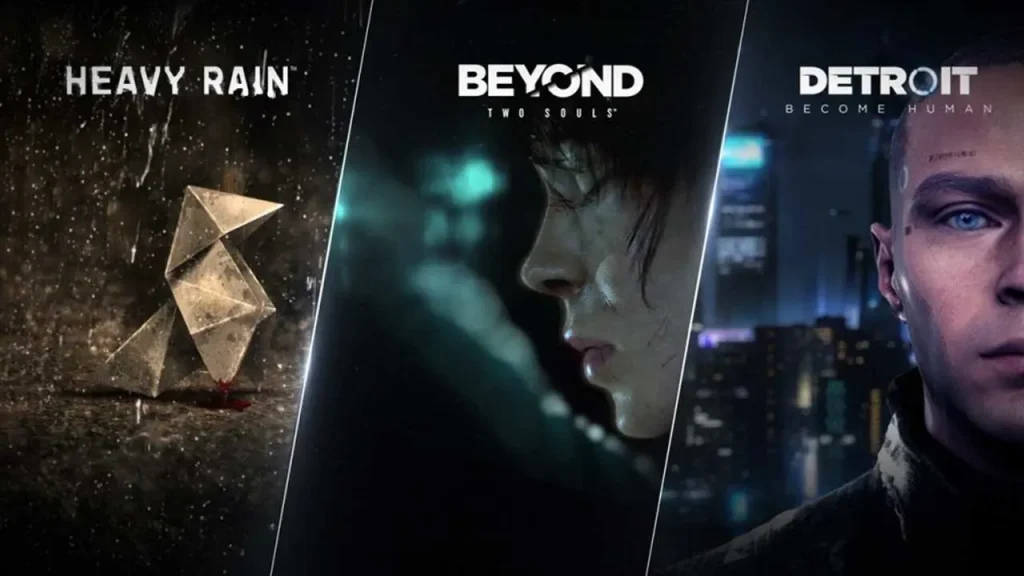
Heavy Rain: released in 2010, is a crime thriller that follows multiple characters trying to uncover the identity of the Origami Killer. It was praised for its atmosphere and emotional stakes, but also criticized for plot holes and awkward dialogue.
Beyond: Two Souls, launched in 2013, tells the life story of Jodie Holmes, a young woman with a supernatural connection. While visually impressive, it received mixed reviews due to its fragmented narrative structure.
Detroit: Become Human, released in 2018, explores the lives of androids in a near-future Detroit. It was praised for its branching choices and moral dilemmas, though some players felt the themes were handled in an overly dramatic or simplistic way.
These games define David Cage’s style of cinematic presentation, emotional themes, and interactive storytelling while also highlighting the reasons his work continues to inspire both admiration and criticism.
New Games
In recent years, David Cage and Quantic Dream have been developing new projects aimed at expanding their narrative-driven approach. The most notable upcoming title is Star Wars Eclipse, set in the High Republic era. It promises a mix of action, branching storylines, and the cinematic style for which Cage is known.
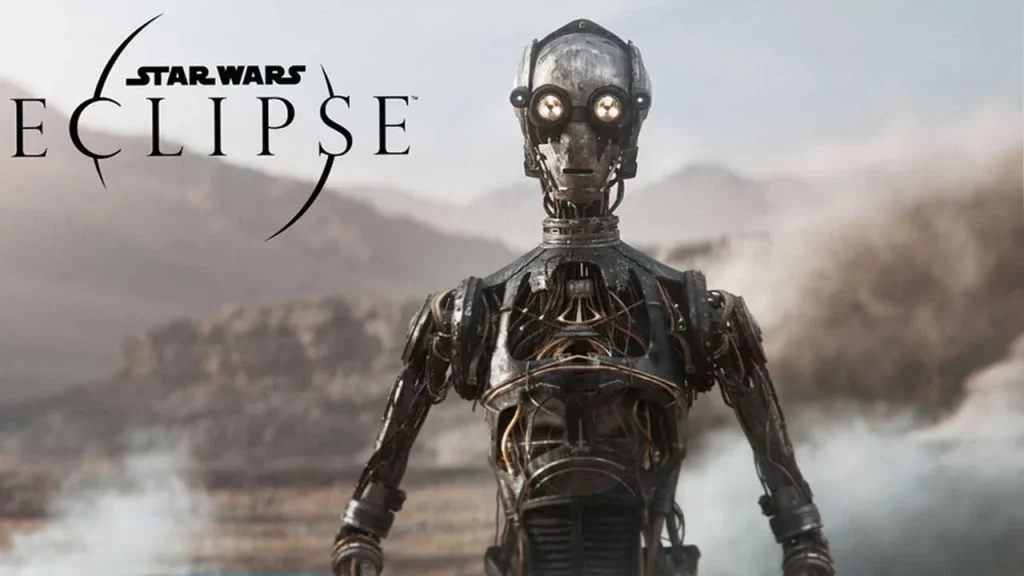
This game marks a significant step for the studio, venturing into a major licensed universe while maintaining the choice-based gameplay that has been his signature. Early previews suggest it will blend his narrative ambitions with a more expansive setting than previous works.
David Cage’s Net Worth and Career Earnings
David Cage’s success in the gaming industry has contributed to a significant net worth, built over decades of writing, directing, and producing narrative-driven video games. While exact figures can vary depending on the source, estimates place his net worth in the range of several million dollars. His income comes primarily from his role as founder and creative director of Quantic Dream, the studio behind titles like Heavy Rain, Beyond: Two Souls, and Detroit: Become Human.

The commercial performance of these games, along with licensing deals and partnerships, has played a major role in his financial growth. High-profile collaborations, such as the development of Star Wars Eclipse, are likely to further boost his earnings. Beyond game sales, Quantic Dream’s publishing efforts and international reach also add to his revenue streams, keeping David Cage among the more financially successful figures in narrative game development.
David Cage’s Vision Behind Detroit: Become Human
David Cage designed Detroit: Become Human as an ambitious interactive drama exploring artificial intelligence, morality, and human identity. Despite debates where some players say David Cage sucks, his vision for this game was to place players in the roles of three android protagonists, each facing unique challenges that test their values and shape their futures. He aimed to create a branching narrative where every decision would carry weight, leading to multiple possible endings and story paths.
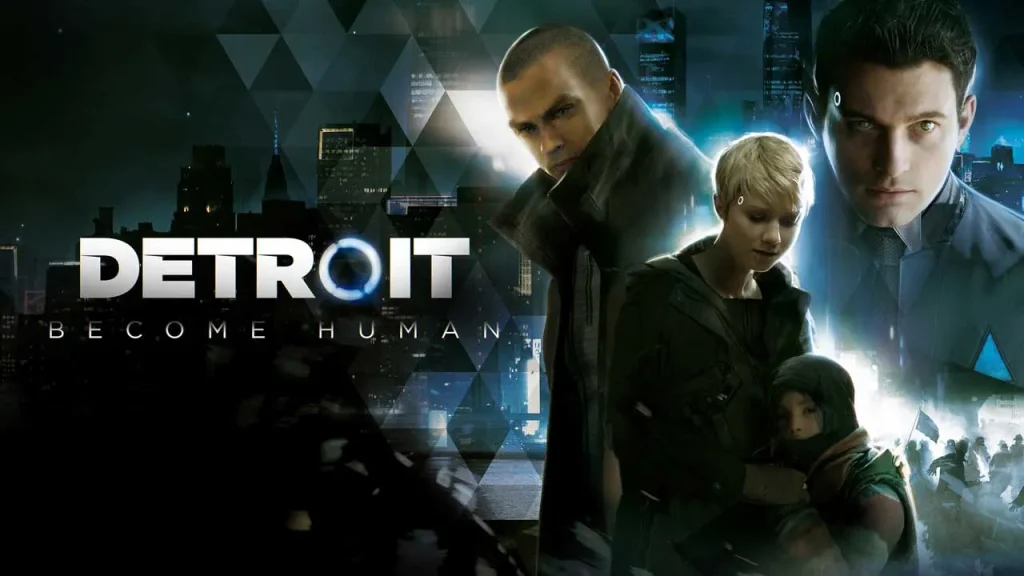
The game’s setting in a near-future Detroit allowed him to tackle themes like discrimination, freedom, and what it truly means to be “alive.” Advanced motion capture technology and cinematic presentation were central to his approach, helping deliver performances that felt lifelike and emotionally engaging.
Why Some Players Say “David Cage Sucks”
The phrase “David Cage sucks” is common in gaming discussions and often reflects strong disappointment from players who feel his games do not meet expectations. While his work aims to deliver cinematic storytelling and emotional depth, certain recurring flaws are frequently pointed out by critics and gamers alike.
- Awkward Dialogue: Dialogue is one of the most discussed weaknesses in his games. Many players feel conversations sound stiff, overly dramatic, or unnatural. In a story-focused game, dialogue plays a huge role in keeping players connected to characters. When it feels off, the emotional impact can be lost, and moments meant to be serious can turn unintentionally humorous.
- Plot Holes and Inconsistencies: Another common criticism is the presence of story gaps. This can include events that are not explained, character actions that do not fit their established personality, or narrative threads that disappear without resolution. In a game where the story is the main focus, these breaks in logic stand out even more.
- Choices That Don’t Change Much: David Cage’s games are marketed on the idea that player choices shape the story. However, many players argue that these decisions often lead to similar outcomes, with only small differences. This can leave players feeling that their choices are less meaningful than promised.
- Overdone Drama: Some scenes are described as too emotional or exaggerated, shifting from serious to unintentionally funny. Sudden tone changes or extreme reactions can weaken the overall storytelling and make dramatic moments feel forced.
These points explain why some players say “David Cage sucks” when discussing his work. They highlight a gap between the ambitious promises of branching narratives and the way those ideas are sometimes executed in practice.
Why Some Players Hate David Cage’s Games
Many players criticize David Cage’s games for recurring flaws in storytelling and dialogue. Common complaints include plot holes, awkward conversations, and overused clichés. Some point to confusing narrative twists or character actions that do not match their established personalities, which can weaken the overall story.
In certain games, major plot points have been described as illogical or poorly explained, leading players to question the consistency of the writing. Others feel his approach focuses too much on cinematic style while lacking meaningful gameplay challenges. Even when the visuals are impressive, these issues can make the experience feel unbalanced.
For players who value coherent writing and interactive depth, these repeated problems are often the reason they strongly dislike his work and say “David Cage sucks.”
Why Some Fans Still Love David Cage
Despite the phrase “David Cage sucks” appearing often in online discussions, there is still a dedicated group of players who genuinely enjoy his work. These fans see him as a creator who focuses on emotional storytelling, cinematic presentation, and moral choices in a way that many other game developers do not.
One reason for this loyalty is his commitment to visual quality. His games often look and feel like interactive films, using advanced motion capture, detailed environments, and dramatic camera work to create a highly immersive experience. For many players, this level of presentation makes his games stand out in a crowded market.
Another reason is the emotional impact of certain story moments. Even if some people say “David Cage sucks” because of writing flaws, his supporters believe that when a scene connects, it can be deeply moving and memorable. Themes like love, sacrifice, and human conflict are explored in ways that resonate with those who value narrative depth over pure action.
For his fans, David Cage represents a risk-taker in the industry, someone willing to experiment with emotional engagement and cinematic ambition, even if it sparks debate. While the criticisms remain, they believe his work offers experiences that few others can replicate.
David Cage’s Movies and Film-Style Projects
David Cage’s connection to movies extends beyond simply making cinematic video games. One of the most notable examples is Beyond: Two Souls, which premiered at the Tribeca Film Festival in 2013 a rare achievement for a video game. This event highlighted his belief that games can stand alongside films as a form of storytelling art.
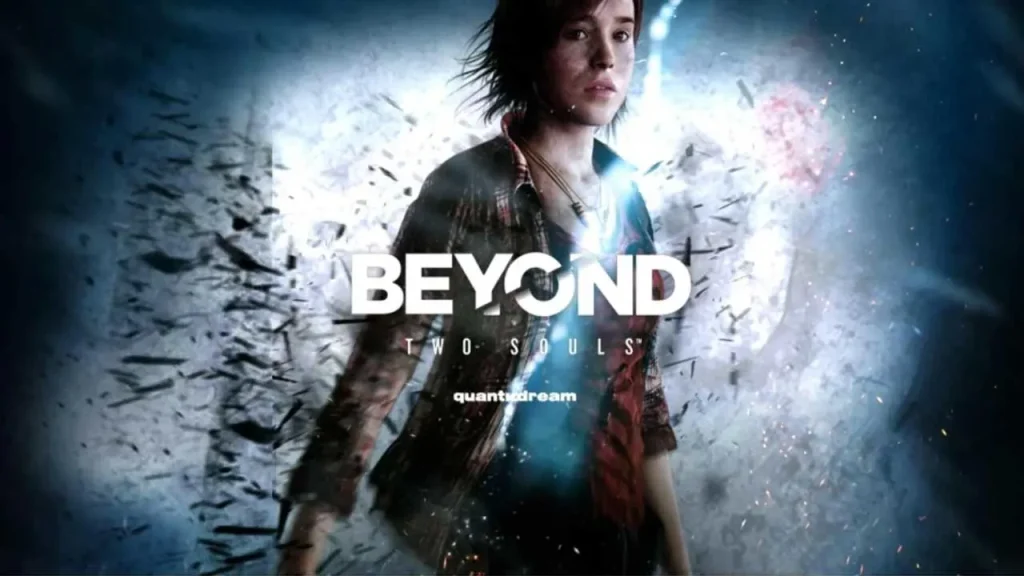
Cage has often spoken about being inspired by directors such as Stanley Kubrick, Steven Spielberg, and David Lynch, borrowing elements like pacing, framing, and emotional tone from their work. These influences are visible in the way he structures scenes, uses camera angles, and builds atmosphere.
There has also been ongoing discussion among fans about adapting his games into actual movies or TV series. With their cinematic pacing and strong visual direction, titles like Detroit: Become Human and Heavy Rain are often seen as natural candidates for live-action adaptations in the future.
Comparing David Cage to Other Game Writers
David Cage’s style of storytelling has drawn both praise and criticism, with some players going as far as to say “David Cage sucks” when comparing his work to other well-known narrative designers. His approach leans heavily on cinematic presentation, motion capture performances, and branching dialogue paths, aiming to make players feel like they are participating in an interactive movie. This contrasts with writers who focus more on deep world-building, layered lore, or gameplay-driven storytelling.

Writers like Hideo Kojima, Amy Hennig, or Neil Druckmann often blend narrative with gameplay in a way that feels seamless, ensuring that player actions directly influence the story. In contrast, David Cage’s games sometimes treat gameplay as secondary to scripted events, which can limit interactivity and player agency.
What Could Improve in David Cage’s Games
Even though his games have a unique cinematic style, many players who say “David Cage sucks” believe there are clear ways his work could improve. Addressing these points could help his future projects appeal to a wider audience while satisfying long-time fans.
One improvement would be working with stronger writing teams. This could help reduce awkward dialogue, close plot holes, and make character interactions more believable. A diverse group of writers could also bring fresh perspectives and avoid repetitive storytelling patterns.
Another area is making player choices more meaningful. Decisions should have lasting effects that clearly change the direction of the story, rather than leading to the same outcome. Balancing gameplay with storytelling is also important. Integrating interactive elements into key moments would keep players engaged instead of making them feel like passive viewers.
Conclusion
David Cage remains one of the most talked-about figures in the gaming industry, both for his ambition and the controversy surrounding his work. For some players, his games represent a bold step toward blending cinema and interactivity. For others, the phrase “David Cage sucks” sums up their frustration with awkward dialogue, story gaps, and choices that feel less meaningful than promised. What’s clear is that his style leaves a strong impression, whether positive or negative.
His willingness to take risks in storytelling has earned him both loyal supporters and vocal critics. As he moves forward with new projects, including high-profile titles like Star Wars Eclipse, the conversation around his work will likely continue. In the end, David Cage’s games have carved out a unique space in gaming, one that sparks debate, fuels memes, and keeps players talking long after the credits roll.