
Switch ROMs Explained How to Preserve Play and Protect Your Nintendo Switch Games

I’ve spent years exploring every corner of the Nintendo Switch world from building my own game library to experimenting with ways to preserve it. Along the way, I discovered something that completely changed how I play: Switch ROMs. At first, I thought they were complicated, risky, and maybe even a little shady. But once I learned how they really work and how to use them safely and legally I realized they’re one of the most valuable tools a gamer can have.
Switch ROMs let me protect rare titles, travel with my entire collection on a single card, and even experience games in stunning resolutions the original hardware can’t match. In this guide, I’ll share everything I know from how they work to how to get, store, and play them so you can unlock the full potential of your Nintendo Switch gaming experience.
How Switch ROMs Work
When I first learned about Switch ROMs, I imagined a complicated process only hackers and tech experts could figure out. But after spending some time in the gaming community and experimenting myself, I realized it’s much simpler and surprisingly practical. At its core, a Switch ROM is just the game you already own, transformed into a digital file you can store, back up, and keep safe for future use.
What a Switch ROM Really Is
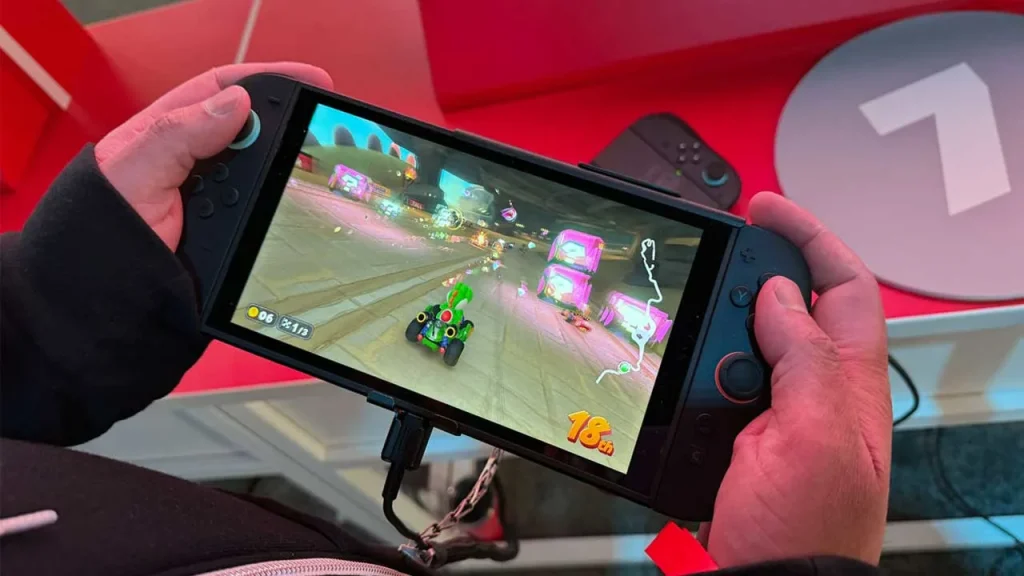
A Switch ROM is a digital copy of a Nintendo Switch game, created by extracting the game’s data from a cartridge or a digital purchase and saving it as a single file.
It’s like taking a photograph of a painting. The artwork is the same, but now you can keep it safely on your computer or drive without risking the original.
This digital copy means you don’t have to rely solely on the physical cartridge. For players like me with a growing collection, that’s a huge advantage. I can store dozens of games in one place and avoid losing or damaging them.
The Two Main Game Formats
Nintendo Switch games come in two main formats, both of which can be turned into ROMs:
- Physical Cartridges: The small, credit card–sized game cards sold in stores. They’re tough but not unbreakable; they can be scratched, lost, or corrupted.
- Digital Downloads: Purchased through the Nintendo eShop and stored on your Switch or microSD card. Convenient, but you risk losing access if your storage fails or if the game is removed from the eShop.
When you create a ROM from either format, you’re making a bit-for-bit copy of the game’s data. Nothing is altered; you’re simply preserving it in a form that can be stored safely or used with compatible systems.
Common Switch ROM File Types
The two most common Switch ROM formats are:
- .XCI: A direct copy of a physical cartridge. It’s like having the original game card saved as a file.
- .NSP: A copy of a digital eShop game, designed to work just like an installed title in your Switch library or emulator.
In my own experience, .XCI files feel like a “virtual cartridge,” while .NSP files blend seamlessly into a digital game library. Both serve the same purpose, keeping your games preserved and accessible.
Reasons People Use Switch ROMs
Over the years, I’ve noticed that the people who use Switch ROMs aren’t all the same, some are collectors, some are travelers, and some are just looking to relive old favorites. But their reasons often fall into a few clear categories.
Here are the most common (and relatable) ones I’ve seen and experienced myself.
Playing Old or Rare Nintendo Switch Games
One of the most magical things about Switch ROMs is the ability to play games that are no longer easy to find.
Some Nintendo Switch titles have limited physical releases, while others quietly disappear from the Nintendo eShop without warning.

For example, I once missed buying a physical copy of Fire Emblem: Three Houses in my area when it went out of stock. Later, I managed to get the game digitally but I quickly made a ROM backup to make sure I’d never lose access.
ROMs let players keep these hard-to-find or discontinued games alive, ensuring that rare gems aren’t lost to time or supply shortages.
Backing Up Your Own Game Collection
If you’ve spent years building a Nintendo Switch library, you know how valuable it is both emotionally and financially. Physical cartridges can be damaged, lost, or even stolen, and digital games can disappear from your account if something goes wrong.
By creating ROMs from the games you already own, you’re essentially making a safety net for your collection. It’s like scanning old family photos you still keep the originals, but you also have secure digital copies just in case.
I’ve had a few cartridges suffer from bad contacts and stop working, but thanks to my backups, I never had to say goodbye to those games.
Convenience for Travel or Storage
If you’ve ever packed for a trip with your Switch, you know the struggle: do you bring a stack of tiny cartridges, or stick to whatever’s installed on your console?
With ROMs, you can carry your entire library on a single microSD card. No swapping, no risk of dropping or losing cartridges in hotel rooms, and no need to dig through a travel case mid-flight.
For me, this was a game-changer. I once traveled with just my Switch, a charger, and a microSD loaded with all my favorites. Whether I was on a train, in a hotel lobby, or relaxing on the balcony, I could jump into any game instantly without worrying about physical media.
Features and Advantages of Switch ROMs
Switch ROMs offer a mix of practical features and real-world benefits that make them more than just a backup option. Here’s why so many gamers myself included find them invaluable:
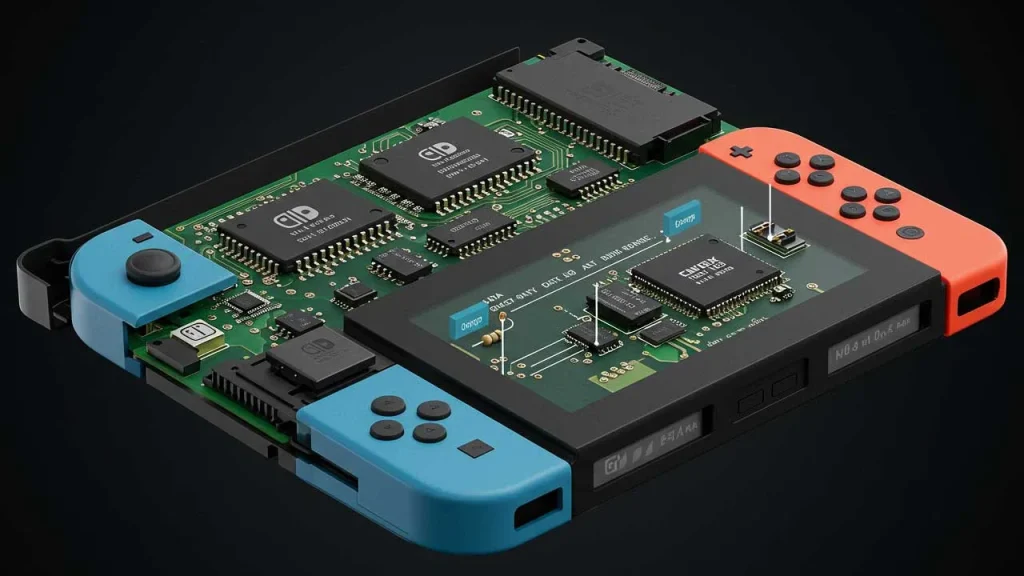
- Game Preservation: Keep a permanent digital copy of your games, even if the physical cartridge is lost, damaged, or the Nintendo eShop removes the title. Perfect for rare and discontinued games.
- Portability: Store your entire Nintendo Switch library on a single microSD card or external drive. I’ve traveled with every game I own in my pocket, no cartridge swapping, no bulky cases.
- Compatibility with Emulators: Use ROMs on f emulators like Yuzu or Ryujinx to enjoy higher resolution graphics, smoother frame rates, and even custom mods. Playing Breath of the Wild in 4K was a completely new experience for me.
- Instant Game Switching: Jump between titles without ejecting cartridges or waiting for large downloads. Perfect for short play sessions or multiplayer game nights.
- Customization: With the right tools, you can apply mods to change visuals, add new features, or adjust difficulty levels, giving your games a personal touch.
How You Can Play a Switch ROM
Once you have your Switch ROM legally created from your own Nintendo Switch games you have more than one way to enjoy it. I’ve personally tried each method, and while they all get you playing, the best choice depends on whether you value portability, performance, or flexibility.
Playing on a Nintendo Switch (with Custom Firmware)
If you want the authentic Nintendo Switch feel holding the console in your hands, playing on the couch, or taking it on a trip you can load your ROMs directly onto your Switch.
To do this, you’ll need to install custom firmware (CFW) like Atmosphere, which allows the console to run homebrew software and read game files from a microSD card.
The basic process looks like this:
- Install Atmosphere or another trusted CFW following a reputable guide.
- Transfer your ROM file (.XCI or .NSP) onto your Switch’s microSD card.
- Use a homebrew app such as Gold leaf or Tinfoil to launch or install the game.
Playing on a PC (with an Emulator)
If you’re after better graphics, smoother frame rates, or mods, then Switch emulators are the way to go.
Programs like Yuzu and Ryujinx simulate the Nintendo Switch hardware, letting you run ROMs on Windows, Mac, or Linux.
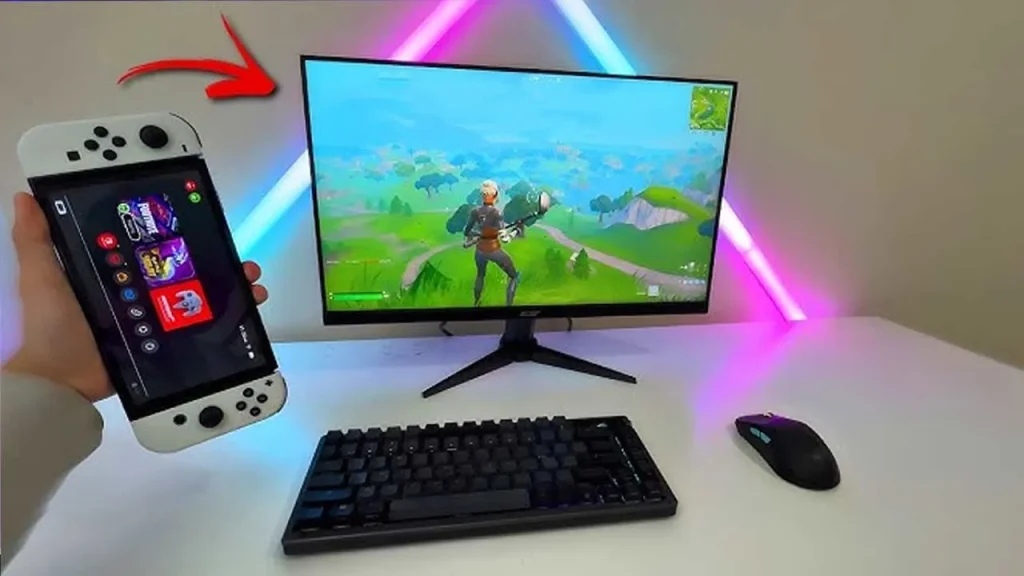
Here’s how it usually works:
- Download and install your chosen emulator.
- Add your prod.keys and title.keys (which you must dump from your own Switch).
- Load your ROM into the emulator’s library.
- Configure your controls. I often use my Switch Pro Controller for the familiar feel.
Using a Hybrid Approach
Many players, including me, use both methods. I’ll keep fast, casual games on my Switch for on-the-go fun, and play larger, more visually impressive games on my PC. This way, I don’t have to compromise. I get portability when I want it and maximum performance when I’m at my desk.
How to Get Switch ROMs Safely
Before you start building your Switch ROM library, it’s important to know that not all sources are safe or legal. Downloading games you don’t own can violate copyright laws, and grabbing files from shady websites can damage your device. Here’s how to get Switch ROMs the right way.
Legal Ways to Get ROMs
The safest and most ethical way to get Switch ROMs is to make them yourself from the games you already own. This process is called “dumping” and involves copying the game data from your physical cartridge or digital eShop purchase to a file on your computer or microSD card.
To do this, you’ll need:
- A Nintendo Switch that supports custom firmware (CFW) like Atmosphère.
- A microSD card with enough storage for your games.
- A homebrew tool like NXDumpTool for cartridges or nxdumptool with Goldleaf for digital games.
By creating your own ROMs, you stay within the law in most countries, protect your device from malware, and ensure the files are accurate.
Avoiding Scams and Harmful Downloads
It’s tempting to search online for “free Switch ROM downloads,” but this is where most people get into trouble. Many of these sites:
- Host pirated copies that can lead to legal problems.
- Hide malware or viruses inside game files.
- Deliver corrupt ROMs that won’t even run.
If you come across a ROM from a source you don’t fully trust, skip it. No game is worth risking your console, PC, or personal information.
Checking File Authenticity
Even if you’ve dumped your own ROMs, it’s worth verifying that the file is complete and unmodified.
You can do this by:
- Comparing the file’s checksum with a verified copy.
- Using tools like RapidCRC or HashTab to confirm integrity.
A verified ROM means fewer crashes, no missing data, and a smoother gaming experience. I learned this the hard way when a faulty dump of Mario Kart 8 Deluxe kept crashing halfway through re-dumping the file fixed it instantly.
Tools You Need for Playing Switch ROMs
Once you’ve safely obtained your Switch ROMs, you’ll need the right tools to actually play them. Whether you’re using a Nintendo Switch with custom firmware or a PC emulator, having the correct setup will make the experience smoother and more reliable.
Nintendo Switch Emulator Basics
If you plan to play on a computer, you’ll need a Nintendo Switch emulator. The two most popular (and reliable) options are:
- Yuzu: Known for great performance, higher frame rates, and regular updates.
- Ryujinx: Offers excellent game compatibility and stability, even for tricky titles.
Both emulators require:
- prod.keys and title.keys These are decryption keys you must dump from your own Nintendo Switch.
- A compatible controller You can use a Switch Pro Controller, Joy-Cons (via Bluetooth), or even Xbox/PlayStation controllers.
If you’re playing on the Switch itself, you won’t need an emulator but you will need custom firmware like Atmosphère to run ROMs.
Storage Devices (microSD Cards, External Drives)
ROM files can be large, especially modern Nintendo Switch games. To store them comfortably:
- For the Nintendo Switch, use a microSD card with at least 128GB of storage. High-speed cards (UHS-I or better) reduce load times.
- For a PC setup, an external hard drive or SSD is useful for keeping your ROMs organized without filling up your computer’s main storage.
I personally keep a 512GB microSD in my Switch for my main library and a separate external SSD for archived games I don’t play often.
Software Setup for ROMs
Playing Switch ROMs also requires some software tools, depending on your setup:
- On Nintendo Switch: Custom firmware (Atmosphere), homebrew apps like Goldleaf or Tinfoil for installing ROMs, and file managers for moving games onto the SD card.
- On PC: Your chosen emulator (Yuzu or Ryujinx), drivers for your controller, and sometimes shader caches to improve game performance.
Taking the time to set up your software properly means fewer crashes, faster load times, and a much smoother gaming experience overall.
Common Problems and Fixes
Even with the right setup, playing Switch ROMs isn’t always completely smooth. I’ve personally run into a few issues over the years from games refusing to start to sudden frame rate drops and thankfully, most of them have straightforward fixes. Here’s a closer look at the most common problems and how to solve them.
ROM Not Loading
One of the most frustrating issues is when a ROM simply refuses to load. This can happen if the file is in the wrong format for example, a compressed .zip instead of the correct .XCI or .NSP format or if your emulator is missing essential prod.keys and title.keys. Sometimes, the problem comes down to file corruption from a bad dump or an incomplete transfer. The best solution is to check the file type first, update your keys if you’re using an emulator, and, if necessary, re-dump the game from your own cartridge or digital copy to ensure a clean, working file.
Game Crashes or Lags
Another common problem is when a game starts but runs poorly, freezes, or crashes mid-play. This often happens due to outdated emulators, old custom firmware, or insufficient hardware on your PC. It can also be caused by an incomplete shader cache or corrupted save data. To fix this, always keep your emulator, firmware, and homebrew apps updated. If you’re playing on PC, lowering the resolution or graphics settings can make a huge difference in performance. I once had Super Smash Bros. Ultimate stutter badly until I lowered the resolution from 4K to 1080p. After that, it ran perfectly smoothly without sacrificing much quality.
Storage Space Issues
Because many Nintendo Switch games can be 10–15GB in size, running out of storage is a problem most ROM users will face eventually. A small microSD card or a nearly full hard drive can limit how many games you can store at once. The best fix is to upgrade to a larger microSD card I recommend at least 256GB for active players or to move older, less-played games to an external drive for safekeeping. Personally, I keep two main folders: “Active Games” for what I’m currently playing and “Archived Games” for everything else. This keeps my system organized and ensures I always have space for new titles.
Safety and Legal Tips for Switch ROM Users
Enjoying Switch ROMs safely means following a few important rules. Over the years, I’ve seen many gamers run into trouble from broken consoles to legal issues simply because they ignored these basics. Here’s how to protect yourself and your games:
- Only create ROMs from games you own: This is the safest and most legal approach in most countries. Making backups of your own cartridges or eShop purchases keeps you within the law and supports the developers who made the games.
- Avoid shady download sites: Many “free Switch ROM” websites hide viruses, malware, or corrupted files. Stick to trusted sources and remember that the safest method is dumping your own ROMs directly from your games.
- Protect your device from viruses and corruption: If you’re playing on a PC, use antivirus software and keep your system updated. On the Nintendo Switch, avoid unknown homebrew apps that could brick your console.
- Verify file authenticity before installing: Use checksum tools to confirm that your ROM is complete and unmodified. This helps prevent crashes, missing data, or corrupted saves.
- Avoid online play with modified consoles: Nintendo can ban consoles running custom firmware from accessing online services. If you want to keep playing online, use a separate, unmodified Switch for multiplayer and eShop access.
Following these safety and legal guidelines ensures you can enjoy Switch ROMs without risking your games, your hardware, or your online access.
Conclusion
Over the years, I’ve learned that Switch ROMs aren’t just about convenience, they’re about preserving the games we love, protecting our investments, and giving ourselves the freedom to play how and where we want. From understanding how ROMs work, to creating safe backups of your own cartridges, to setting up the right tools and avoiding common pitfalls, every step you take strengthens your gaming experience.
I’ve used ROMs to keep rare Nintendo Switch titles alive, to enjoy my collection while traveling light, and to experience classics in enhanced quality through emulation. But I’ve also learned the importance of doing it right, staying legal, steering clear of shady sources, and protecting my hardware. If you take the time to set things up properly, Switch ROMs can open the door to a richer, safer, and more flexible way to enjoy your Nintendo Switch library for today, and for years to come.